

Role of Grooming Tools – Impact on Pet Wellness
Most American pet owners do not realize that nearly 80 percent of common grooming mistakes are linked to using the wrong tools. The right brush, comb, or clipper can make a dramatic difference in both a pet’s health and everyday comfort. Choosing the right grooming tools matters because they help prevent hidden skin issues, reduce shedding, and allow for early detection of health problems. Discover which tools best suit your animal and how proper grooming habits keep them happier and healthier.
Table of Contents
- Grooming Tools Defined And Their Importance
- Types Of Pet Grooming Tools Explained
- How Grooming Tools Improve Pet Health
- Safe Usage Practices For Grooming Tools
- Common Grooming Mistakes To Avoid
Key Takeaways
| Point | Details |
|---|---|
| Importance of Grooming Tools | Grooming tools are essential for maintaining a pet’s health, appearance, and preventing potential medical issues. |
| Appropriate Tool Selection | Choosing the right grooming tools tailored to specific coat types is crucial for effective grooming and overall pet well-being. |
| Safe Handling Practices | Implementing safe grooming techniques and using properly maintained tools can minimize stress and prevent injuries during grooming sessions. |
| Routine Grooming Benefits | Regular grooming not only enhances a pet’s appearance but also facilitates early detection of health issues, promoting overall wellness. |
Grooming Tools Defined and Their Importance
Grooming tools represent specialized instruments designed to maintain a pet’s physical health and appearance. These essential devices range from brushes and combs to more advanced implements that address specific coat and skin needs. Understanding the comprehensive role of grooming tools involves recognizing their critical function in preventing health issues and promoting overall pet wellness.
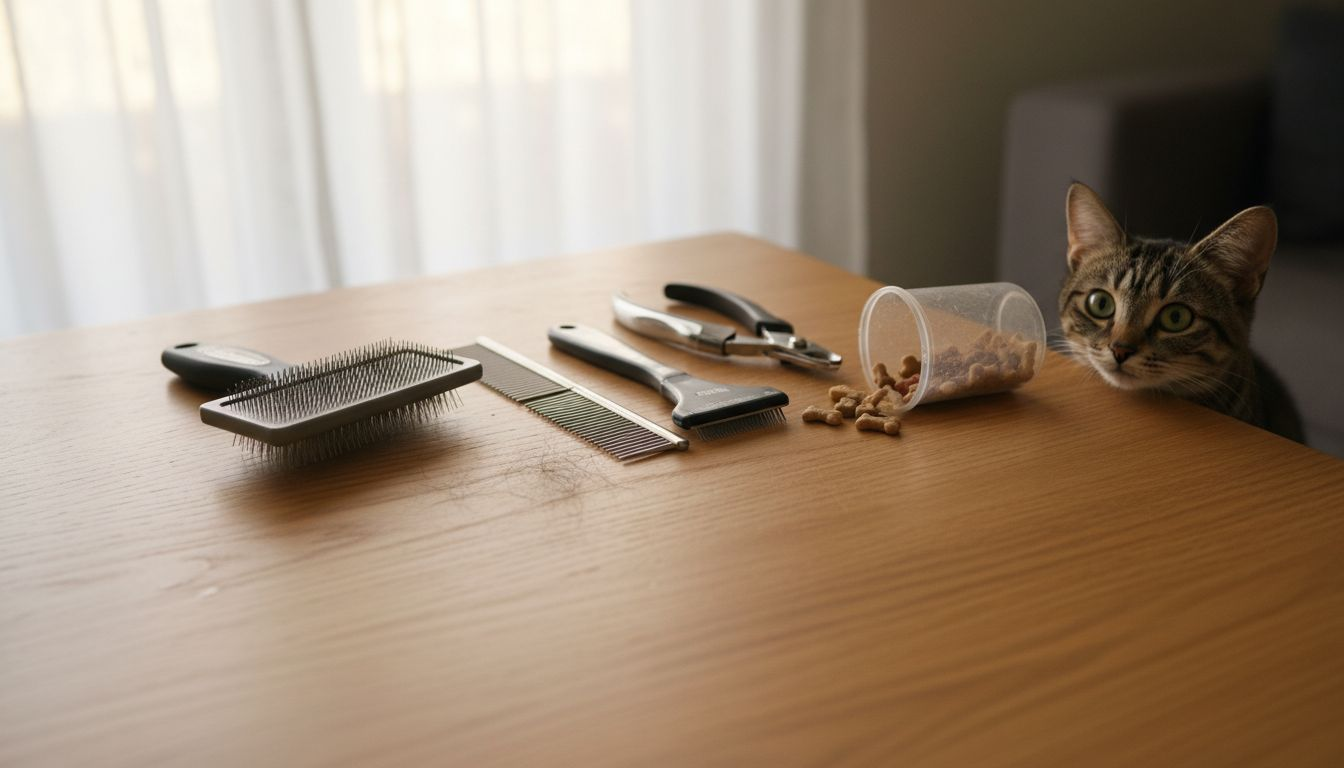
Different pets require different grooming approaches, which means selecting the right tool becomes paramount. Brushes, for instance, come in multiple variations tailored to specific coat types - slicker brushes work best for long-haired breeds, while rubber curry combs excel with short-haired animals. Deshedding tools help manage excessive hair loss, nail clippers ensure proper paw maintenance, and specialized combs can detect and remove potential parasites. These tools aren’t just cosmetic accessories but vital health management instruments.
Proper grooming tools offer multiple benefits beyond aesthetic concerns. They help detect early signs of skin conditions, reduce potential allergen buildup, distribute natural skin oils, and create opportunities for close physical inspection of your pet’s overall health. Professional animal care experts emphasize that appropriate grooming tool selection ensures safety and comfort during maintenance sessions.
Pro Pet Care Tip: Invest in high-quality, pet-specific grooming tools and learn proper techniques to ensure your animal’s comfort and prevent potential injury during grooming sessions.
Types of Pet Grooming Tools Explained
Professional dog groomers utilize an extensive range of specialized tools designed to address various grooming requirements across different pet coat types and health needs. These instruments are far more than simple aesthetic accessories - they represent crucial components of comprehensive pet care and wellness maintenance.
Different grooming tools serve distinct purposes in maintaining pet hygiene and health. Brushes represent a foundational category, with specific variations targeting unique coat characteristics. Wire pin brushes work exceptionally well for medium to long hair, while bristle brushes excel with short, fine coat textures. Additional essential tools include:
- Slicker Brushes: Ideal for removing tangles and loose undercoat
- Deshedding Tools: Reduce excessive hair loss and manage seasonal shedding
- Nail Clippers: Ensure proper paw maintenance and prevent overgrowth
- Metal Combs: Help detect skin issues and remove potential parasites
- Professional Scissors: Allow precise trimming for specific breed requirements
Professional pet groomers understand that tool selection depends on multiple factors including breed, coat type, length, and individual pet sensitivity. Investing in high-quality, purpose-specific grooming tools not only enhances your pet’s appearance but also contributes significantly to their overall health and comfort.
Pro Pet Care Tip: Always match grooming tools to your specific pet’s coat type and consult with a professional groomer or veterinarian to understand the most appropriate tools for your animal’s unique needs.
Here is a summary of common grooming tools and their ideal applications:
| Tool Type | Best For | Key Benefit |
|---|---|---|
| Slicker Brush | Long, thick, or curly coats | Removes tangles and loose fur |
| Rubber Curry Comb | Short, smooth coats | Massages skin and lifts dirt |
| Deshedding Tool | Heavy-shedding breeds | Reduces seasonal hair loss |
| Nail Clipper | All pets with nails | Prevents overgrowth and injuries |
| Metal Comb | Fine, dense, or layered coats | Detects parasites and skin issues |
| Professional Scissors | Breed-specific styling trims | Precise contour and safe grooming |
How Grooming Tools Improve Pet Health
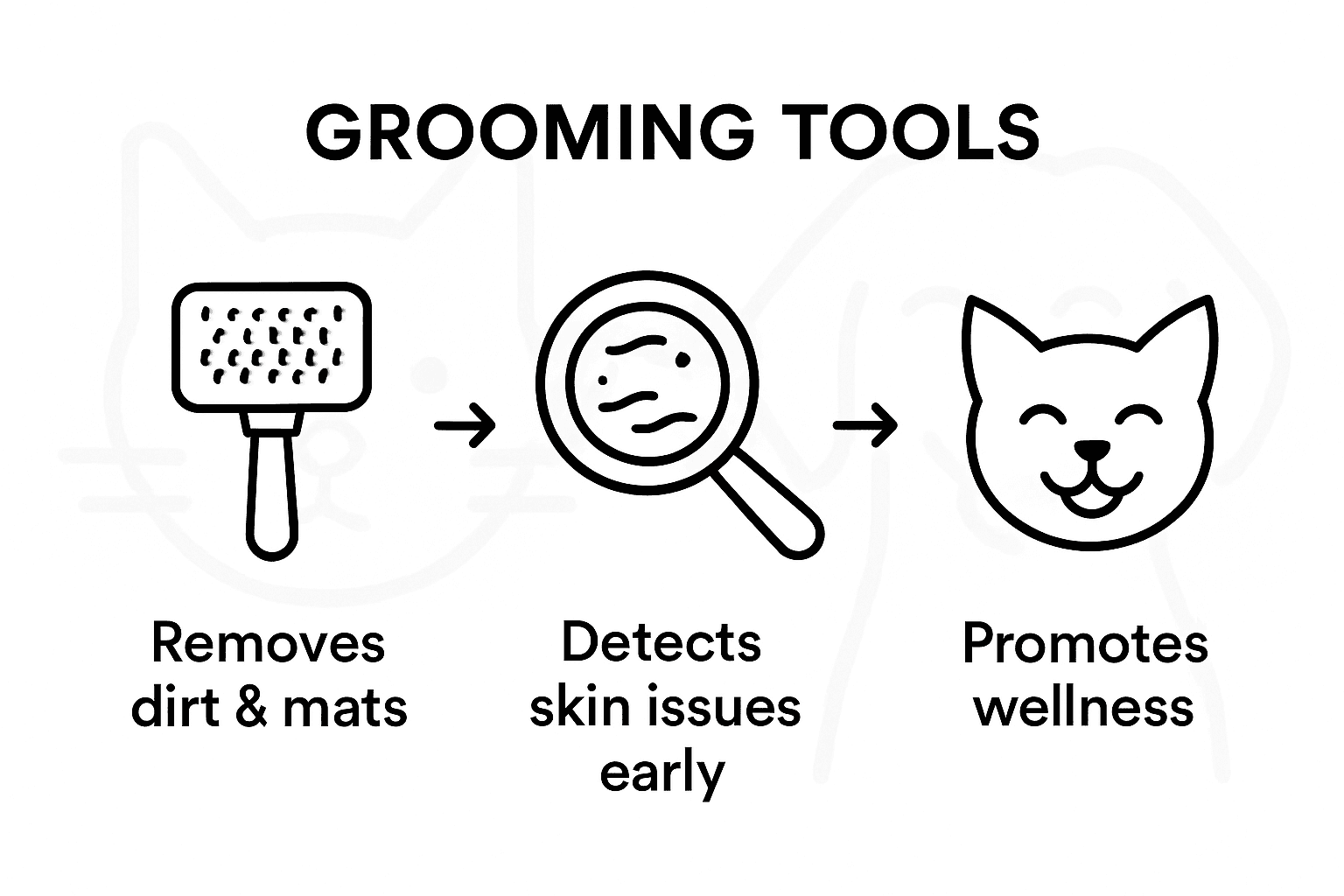
Proper grooming tools play a critical role in maintaining comprehensive pet health, extending far beyond simple aesthetic maintenance. These specialized instruments serve as essential health monitoring and preventative care tools that help pet owners detect potential medical issues early and support their animal’s overall wellness.
The physical benefits of regular grooming are multifaceted and scientifically substantiated. Systematic use of appropriate grooming tools removes accumulated dirt, debris, and potential skin irritants while stimulating natural skin oil production. Key health improvements include:
- Skin Health: Prevents matting and improves air circulation
- Parasite Detection: Allows early identification of ticks, fleas, and skin abnormalities
- Circulation Stimulation: Brushing promotes blood flow and distributes natural skin oils
- Infection Prevention: Regular grooming reduces risk of bacterial and fungal skin infections
- Coat Maintenance: Removes dead hair and supports healthy coat growth
Beyond physical benefits, grooming tools provide crucial opportunities for pet owners to perform routine health checks. By regularly examining their pet during grooming sessions, owners can quickly identify lumps, skin changes, wounds, or other potential health concerns that might otherwise go unnoticed.
Pro Pet Care Tip: Develop a consistent grooming routine and treat it as a health inspection opportunity, using each session to carefully examine your pet’s overall physical condition.
Safe Usage Practices for Grooming Tools
Implementing safe usage practices is fundamental to effective and compassionate pet grooming, ensuring both the animal’s comfort and the handler’s confidence during maintenance sessions. Professional groomers understand that proper technique goes far beyond simply using the right tools - it involves understanding animal behavior, recognizing individual sensitivities, and applying gentle, consistent approaches.
Safe grooming requires careful tool selection and handling. Professional-grade equipment demands specialized techniques to prevent potential injuries and minimize animal stress. Critical safety considerations include:
- Tool Condition: Always use sharp, well-maintained tools
- Handling Technique: Hold grooming instruments with steady, controlled movements
- Pressure Control: Apply gentle, consistent pressure without sudden jerks
- Animal Comfort: Watch for signs of discomfort or anxiety
- Clean Tools: Sanitize grooming tools between uses to prevent cross-contamination
Most injuries occur when pet owners rush or use improper techniques. Understanding your specific pet’s temperament, coat type, and individual sensitivity is crucial. Different animals require different approaches - what works for a docile Golden Retriever might terrify a nervous Chihuahua.
Pro Pet Care Tip: Practice gentle handling techniques and introduce grooming tools gradually, using positive reinforcement to create a calm, stress-free experience for your pet.
Common Grooming Mistakes to Avoid
Pet owners frequently make critical grooming errors that can significantly impact their animal’s health and comfort. Understanding these common mistakes is crucial for maintaining your pet’s wellbeing and preventing potential injuries or distress during grooming sessions.
One of the most prevalent errors is using inappropriate tools for specific coat types and pet characteristics. Utilizing human scissors or incorrect grooming implements can cause serious discomfort and potential physical harm to pets. Common mistakes include:
- Wrong Tool Selection: Using universal tools instead of breed or coat-specific equipment
- Improper Technique: Applying excessive pressure or using aggressive brushing motions
- Infrequent Maintenance: Neglecting regular grooming and tool cleaning
- Ignoring Pet Signals: Continuing grooming when the animal shows signs of stress
- Inappropriate Tool Care: Using dull or damaged grooming instruments
Many pet owners underestimate the complexity of proper grooming. Each animal has unique requirements based on breed, coat texture, skin sensitivity, and individual temperament. What works for one pet might cause significant distress for another, making personalized approach and careful observation essential.
Compare safe grooming practices to common mistakes side-by-side:
| Practice Category | Safe Approach | Common Mistake |
|---|---|---|
| Tool Selection | Match tool to coat type | Use generic or wrong tool |
| Technique | Gentle, steady movement | Aggressive or rushed usage |
| Tool Care | Clean and sharpen regularly | Use dirty or dull equipment |
| Pet Observation | Pause if pet is stressed | Ignore signs of discomfort |
Pro Pet Care Tip: Research your specific pet breed’s grooming requirements and invest in professional-grade, breed-appropriate tools to ensure safe and effective maintenance.
Enhance Your Pet’s Wellness with the Right Grooming Tools Today
Proper grooming tools are essential not just for your pet’s appearance but for their overall health and comfort. The article highlights challenges such as selecting breed-specific tools and mastering safe techniques to avoid discomfort or injury. If you want to eliminate the hassle of using the wrong equipment and create a stress-free grooming routine, investing in quality, pet-appropriate products is key.

Discover a curated selection of grooming essentials at Fur Family Club. Our products support your pet’s hygiene and wellness goals by offering durable brushes, safe nail clippers, and effective deshedding tools designed to meet varied coat types and sensitivities. Act now to protect your furry family member with tools that promote healthy skin, reduce shedding, and provide comforting care. Visit our main site and start transforming grooming time into a wellness ritual both you and your pet will enjoy.
Frequently Asked Questions
What types of grooming tools are essential for pet care?
Essential grooming tools include slicker brushes for long or thick coats, rubber curry combs for short coats, deshedding tools for heavy shedders, nail clippers for paw maintenance, metal combs for parasite detection, and professional scissors for specific breed trims.
How do grooming tools impact a pet’s health and wellness?
Grooming tools play a critical role in pet health by removing dirt and debris, promoting skin circulation, preventing matting, detecting parasites early, and reducing the risk of skin infections. Regular grooming also creates opportunities for pet owners to check for lumps or unusual skin conditions.
What are some common mistakes to avoid when using grooming tools?
Common mistakes include using inappropriate tools for specific coat types, applying excessive pressure or aggressive brushing motions, neglecting regular maintenance, ignoring signs of distress from the pet, and using dull or dirty grooming instruments.
How can I ensure safe usage of grooming tools for my pet?
To ensure safe usage, always choose the right tools for your pet’s specific coat type, maintain your grooming equipment in good condition, practice gentle handling techniques, and be attentive to your pet’s comfort and stress levels during grooming sessions.


