

How to Remove Pet Odors Naturally for a Fresh Home
Most American homes with pets struggle with stubborn odors that regular cleaning just cannot erase. If you share your space with a curious dog or a playful cat, you know how quickly these smells can affect comfort and even impress visitors for all the wrong reasons. By using effective cleaning strategies and tailored pet care solutions, you can create a home that feels fresh, hygienic, and welcoming to both people and pets.
Table of Contents
- Step 1: Prepare Your Home for Deep Cleaning
- Step 2: Tackle Odors with Natural Solutions
- Step 3: Clean Pet Accessories and Soft Surfaces
- Step 4: Refresh the Air and Maintain Freshness
- Step 5: Verify Odor Removal and Prevent Recurrence
Quick Summary
| Key Point | Explanation |
|---|---|
| 1. Gather Cleaning Supplies | Collect enzymatic cleaners, microfiber cloths, and protective gloves in one location for effective cleaning. |
| 2. Use Natural Deodorizers | Employ indoor plants and baking soda to neutralize pet odors without harmful chemicals. |
| 3. Wash Pet Accessories Regularly | Clean pet beds and toys weekly with hot water and pet-safe detergents to prevent odor build-up. |
| 4. Maintain Indoor Air Quality | Open windows and utilize air purifiers to circulate clean air and remove pet dander. |
| 5. Track Odors and Clean Regularly | Document odors and perform regular cleaning spot checks to address and prevent recurrence effectively. |
Step 1: Prepare Your Home for Deep Cleaning
Preparing your home for a thorough pet odor removal process requires strategic planning and the right approach. Your goal is to create an organized environment that allows for maximum cleaning effectiveness while minimizing potential complications.
Start by gathering all necessary cleaning supplies in one central location. This means collecting enzymatic cleaners recommended by professional cleaning experts along with microfiber cloths, paper towels, protective gloves, and specific products designed for pet stain removal. Remove loose items such as throw rugs, small furniture pieces, and decorative objects from the areas you plan to clean. This creates unobstructed access to surfaces and prevents accidental damage during the deep cleaning process.
Focus on identifying and pre treating areas with visible pet stains or persistent odors. Blot urine stains immediately with paper towels and clean with cool water, being careful not to rub or spread the contamination. For machine washable fabrics like pet bedding or removable couch covers, prepare them for washing by sorting and pre treating with an enzymatic cleaner that breaks down organic matter.
Pro tip: Create a dedicated cleaning caddy with all your supplies to streamline your pet odor removal process and avoid unnecessary trips back and forth between rooms.
Step 2: Tackle Odors with Natural Solutions
Natural pet odor removal strategies can transform your home environment without relying on harsh chemicals or expensive commercial products. Your mission is to neutralize unpleasant smells using safe, effective methods that protect both your pets and your living spaces.
Start by leveraging the power of indoor plants that naturally absorb and neutralize odors. Species like aloe vera, peace lily, snake plant, and English ivy work silently to trap volatile organic compounds while improving air quality. Complement these plants with strategic use of baking soda as a natural deodorizer. Sprinkle baking soda on carpets before vacuuming, add it to your laundry when washing pet bedding, and place open containers in areas prone to persistent odors.
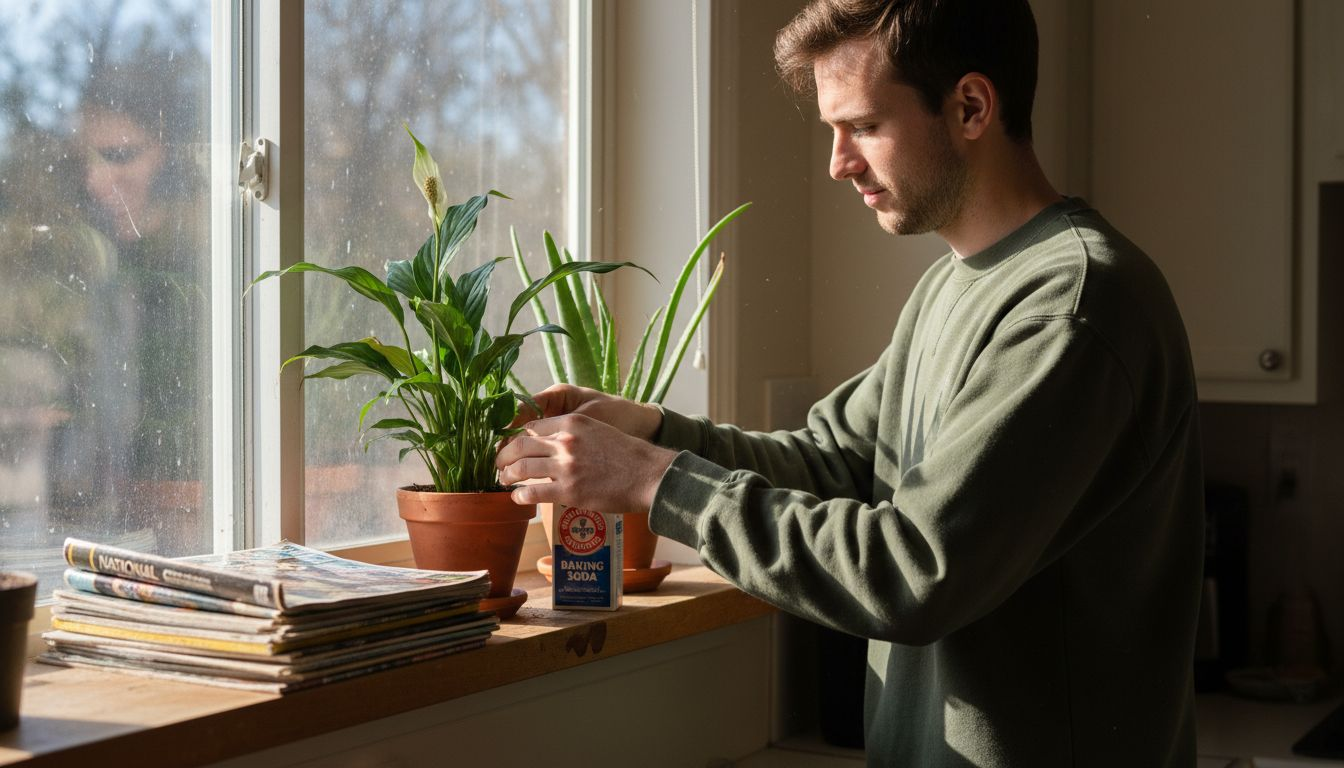
Avoid using vinegar or ammonia based solutions, as these strong scents might actually encourage pets to mark the same areas again. Instead, focus on enzymatic cleaners specifically designed to break down organic waste molecules. These natural solutions work at a molecular level to eliminate odors rather than simply masking them, ensuring a truly fresh and clean home environment.
Pro tip: Create a rotating schedule of plant placement and baking soda refresh to maintain consistent odor control throughout your living spaces.
Step 3: Clean Pet Accessories and Soft Surfaces
Cleaning pet accessories and soft surfaces requires a strategic approach to eliminate odors and maintain a hygienic home environment. Your goal is to refresh and sanitize items that accumulate pet dander, hair, and potential odor causing bacteria.
Regular washing of pet beds, blankets, and fabric toys is crucial for maintaining a fresh living space. Use hot water and pet safe detergents, focusing on weekly cleaning cycles to prevent odor and bacteria buildup. For delicate items, consider using a gentle cycle with mild detergent and adding a half cup of baking soda to neutralize lingering smells. When addressing soft surfaces like upholstery and carpets, always use enzymatic cleaners that biologically break down organic compounds rather than simply masking odors.
Vacuuming carpets and upholstery frequently helps reduce hair and dander accumulation. Pay special attention to areas where your pets spend most of their time. For stubborn stains, blot immediately and avoid steam cleaning, which can permanently set urine stains and odors. Instead, use targeted enzymatic solutions that neutralize odors at their molecular source.
Pro tip: Create a dedicated laundry basket for pet items to streamline your cleaning routine and prevent cross contamination with other household fabrics.
Step 4: Refresh the Air and Maintain Freshness
Maintaining fresh indoor air is crucial for creating a comfortable environment free from persistent pet odors. Your goal is to develop a comprehensive strategy that naturally purifies and circulates clean air throughout your home.
Increase indoor air quality by implementing strategic ventilation techniques such as opening windows regularly and using exhaust fans to dilute and remove airborne pet odors. Invest in a high quality air purifier with HEPA filtration that captures pet dander and microscopic particulates. Maintain indoor humidity levels between 30 and 50 percent to prevent mold growth and reduce potential odor sources. Strategically place air purifiers in rooms where your pets spend most of their time to maximize air circulation and filtration.

Incorporate odor absorbing indoor plants like peace lily and snake plant to naturally improve air quality. These green allies not only remove unpleasant odors but also increase oxygen levels and create a more vibrant living space. Avoid synthetic air fresheners containing harsh chemicals that can degrade indoor air quality. Instead, opt for natural solutions that work with your home environment to create a genuinely fresh atmosphere.
Here’s a comparison of natural odor-fighting methods and their impact on home air quality:
| Solution Type | Main Benefit | Limitations | Best Usage |
|---|---|---|---|
| Indoor Plants | Absorbs toxins and odors | Slow to show results | Living rooms, bedrooms |
| Baking Soda | Neutralizes smells fast | Needs regular replacement | Carpet, laundry, pet areas |
| Air Purifiers | Removes airborne odors | Requires electricity and maintenance | High-traffic pet zones |
| Enzymatic Cleaners | Breaks down organic odors | Specific to stain areas | Fabrics, upholstery, carpets |
Pro tip: Rotate your air purifier and plants every few weeks to ensure comprehensive odor control and even air circulation throughout your living spaces.
Step 5: Verify Odor Removal and Prevent Recurrence
Successfully eliminating pet odors requires more than initial cleaning efforts. Your goal is to develop a systematic approach that not only removes current odors but prevents their future return.
Create an odor tracking system using detailed documentation to monitor your home’s air quality. Keep a simple journal noting the location, intensity, and timing of any lingering odors. This approach helps you identify persistent problem areas and adjust your cleaning strategies accordingly. Perform regular spot checks in areas where pets frequently rest or have previously had accidents. Pay special attention to carpets, fabric furniture, and hidden corners that might harbor residual smells.
Implement consistent source control methods to prevent odor recurrence. This means promptly cleaning pet waste, maintaining regular cleaning schedules, and using proper ventilation techniques. Focus on addressing potential odor sources before they become significant problems. Consider using enzymatic cleaners for deep treatment of areas with repeated odor issues and maintain a proactive approach to pet hygiene and home maintenance.
This summary highlights essential steps for preventing pet odor recurrence:
| Action Step | Purpose | Frequency |
|---|---|---|
| Odor Documentation | Identify problem areas | Weekly |
| Source Control Cleaning | Remove fresh odor sources | Daily |
| Air Quality Spot Checks | Detect lingering odors | Weekly |
| Hygiene Maintenance | Prevent future buildup | Ongoing |
Pro tip: Conduct a weekly odor assessment using a fresh set of eyes by asking a friend or family member to help identify any lingering pet smells you might have become nose blind to.
Keep Your Home Fresh and Your Pet Comfortable with FurFamilyClub
Removing stubborn pet odors naturally takes dedication and the right strategies like enzymatic cleaners and odor-absorbing indoor plants. While these solutions effectively freshen your living space, pairing them with high-quality pet products designed for comfort and seasonal care can elevate both your pet’s well-being and your home’s atmosphere. At FurFamilyClub, you will find stylish winter apparel, cozy pet beds, and practical accessories that support a healthy, happy pet who feels at home.

Discover how combining natural odor control with premium pet gear creates a fresher environment for you and your pet today. Explore our full range crafted for cold weather and holiday seasons by visiting FurFamilyClub and step up your pet care routine now. Take action to maintain a clean, cozy home where pet odors are no longer a worry and your furry friend stays warm and stylish throughout the year.
Frequently Asked Questions
How can I prepare my home for natural pet odor removal?
To prepare your home, start by gathering natural cleaning supplies like baking soda and enzymatic cleaners. Remove loose items and focus on areas with visible stains or odors to ensure you can clean effectively.
What natural solutions can I use to remove pet odors?
You can use baking soda to neutralize odors and indoor plants to absorb toxins. Place open containers of baking soda in problem areas and invest in plants like peace lilies and snake plants to help improve air quality.
How often should I clean pet beds and accessories to combat odors?
You should wash pet beds, blankets, and fabric toys at least once a week using hot water and pet-safe detergents. This regular cleaning helps prevent odor and bacteria buildup in your home.
How can I maintain fresh air in my home after removing pet odors?
To maintain fresh air, improve indoor ventilation by regularly opening windows and using exhaust fans. You should also consider using air purifiers and placing odor-absorbing plants strategically around your living spaces.
What steps can I take to prevent pet odors from returning?
Implement consistent cleaning and source control methods, such as performing daily clean-ups of pet waste and conducting weekly odor checks in areas where pets frequent. Keeping a simple journal of lingering odors can also help identify problem areas effectively.
How can I assess if my pet odor removal efforts are successful?
You can assess your efforts by conducting spot checks in areas where your pets spend the most time. Ask a friend or family member to help identify any lingering odors, ensuring you catch any smells you may have become nose blind to.


