

How to Bathe a Dog Naturally for Best Results at Home
Over 40 percent of American urban dog owners say keeping their pets clean is tougher during the holiday rush and freezing weather. Winter means muddy walks and salt-covered sidewalks, making regular baths essential for city pups. This guide breaks down stress-free bathing steps and tips, helping you protect your dog’s coat and skin while keeping your stylish winter routine on track.
Table of Contents
- Step 1: Gather Essential Supplies For A Safe Wash
- Step 2: Prepare Your Dog And Bathing Area Efficiently
- Step 3: Apply Natural Shampoo And Wash Thoroughly
- Step 4: Rinse And Dry Your Dog For Comfort
- Step 5: Check Your Dog’s Coat And Skin Health
Quick Summary
| Key Takeaway | Explanation |
|---|---|
| 1. Gather all necessary supplies | Collect dog-specific shampoo, towels, and brushes to ensure a smooth bathing experience. |
| 2. Create a calming bathing space | Choose a non-slip area for the bath and gradually introduce your dog to the environment. |
| 3. Use natural, gentle shampoo | Apply a plant-based shampoo carefully to avoid irritation while ensuring thorough cleaning. |
| 4. Rinse thoroughly after washing | Use lukewarm water to remove all shampoo and prevent skin irritation or discomfort for your dog. |
| 5. Inspect your dog’s coat and skin | Check for health indicators and consult a vet if you notice any unusual signs or changes. |
Step 1: Gather essential supplies for a safe wash
Preparing for a successful dog bath starts with collecting all the right supplies to ensure a smooth and stress-free experience. Your goal is to create a safe, comfortable washing environment that keeps your pup calm and clean.
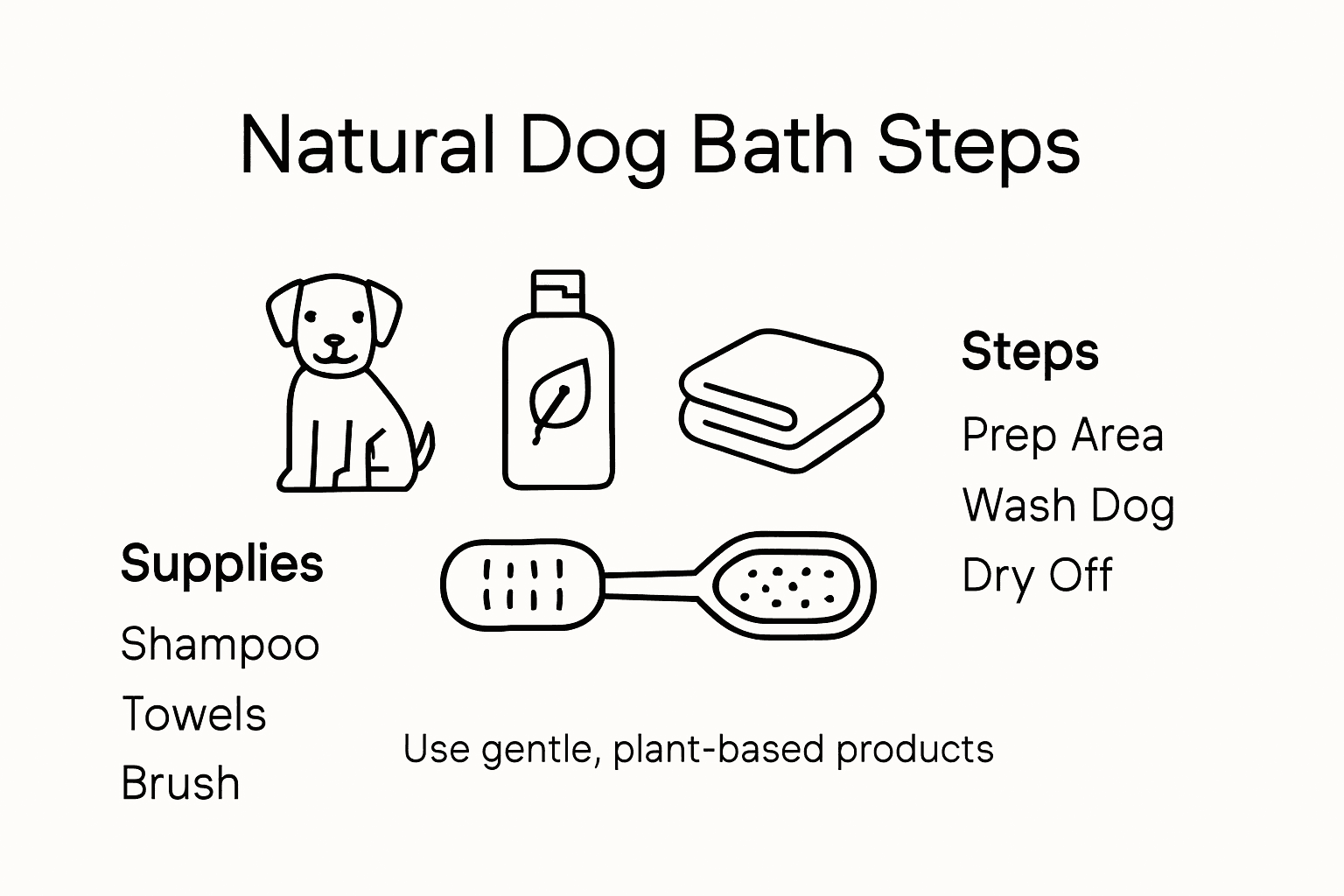
Start by assembling your core bathing kit with pet-safe essentials. You’ll want to grab dog-specific shampoo recommended by veterinary professionals, focusing on products formulated for your dog’s specific coat and skin type. Collect several soft towels, a non-slip bath mat to prevent accidents, and a selection of brushes perfect for your dog’s fur texture. Rubber brushes work great for initial dirt removal, while slicker brushes help detangle longer coats.
Additional comfort items can transform bath time from stressful to enjoyable. Consider grabbing a few washcloths, treats for positive reinforcement, and optional accessories like ear protection for sensitive dogs. Preparing these supplies in advance prevents last-minute scrambling and helps create a calm atmosphere that makes bath time smoother for both you and your furry friend.
Pro Tip: Lay out all your supplies within arm’s reach before starting the bath to minimize disruptions and keep your dog feeling secure throughout the washing process.
Here’s a quick summary of essential and optional dog bath supplies to help you prepare efficiently:
| Item Type | Primary Purpose | Added Comfort Benefit |
|---|---|---|
| Dog-specific shampoo | Cleans skin and coat | Protects sensitive areas |
| Soft towels | Drying after wash | Provides warmth |
| Non-slip bath mat | Prevents slipping | Reduces bath anxiety |
| Brushes (various) | Removes dirt and tangles | Makes fur manageable |
| Treats | Rewards calm behavior | Encourages cooperation |
| Ear protection | Shields sensitive ears | Reduces bath distress |
Step 2: Prepare your dog and bathing area efficiently
Getting ready for a dog bath requires strategic planning to minimize stress and maximize comfort for both you and your furry friend. Your primary goal is to create a calm, safe environment that makes bath time a positive experience.
Begin by selecting an appropriate bathing location that provides stability and comfort. Choose a space with a non-slip surface where your dog feels secure and you can easily manage the washing process. A bathroom, utility room, or even a dedicated pet washing station works well. Brush your dog thoroughly before the bath to remove loose fur, tangles, and dirt, which helps distribute natural oils and makes the washing process smoother.
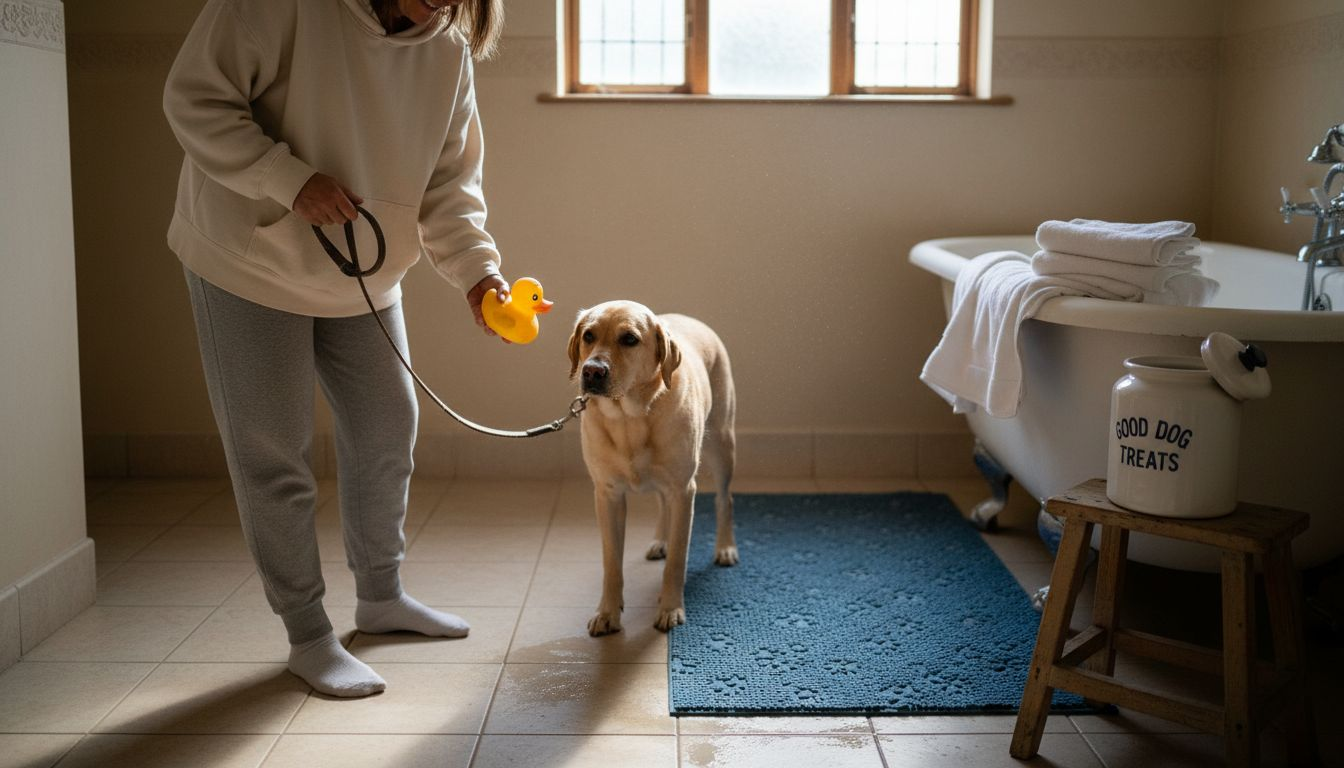
Introduce your dog to the bathing area gradually and use positive reinforcement techniques. Have treats ready to reward calm behavior and help your dog associate bath time with something enjoyable. Check the water temperature to ensure it is lukewarm and comfortable. Keep all your supplies within easy reach to minimize movement and potential stress for your pet.
Pro Tip: Play soft background music or use a favorite toy to help create a relaxed atmosphere that keeps your dog calm during bath time.
Step 3: Apply natural shampoo and wash thoroughly
Successfully washing your dog requires a strategic approach that ensures thorough cleaning while keeping your furry friend comfortable. Your goal is to apply natural shampoo effectively and create a gentle yet comprehensive bathing experience.
Natural dog shampoos with plant-based ingredients provide a gentle cleaning solution that protects your dog’s skin and coat. Start by thoroughly wetting your dog’s fur, ensuring the water reaches down to the skin. Begin applying the shampoo at the neck and work your way toward the tail, using gentle massaging motions that help distribute the product evenly. Pay special attention to areas that tend to collect dirt like paws, underbelly, and around the tail.
Massage the shampoo deeply into the fur and skin for several minutes, creating a rich lather while being careful to avoid the eyes and inner ears. Take your time and use circular motions to help the natural ingredients penetrate and clean effectively. Rinse thoroughly until the water runs completely clear, which indicates you have removed all soap residue that could irritate your dog’s skin.
Pro Tip: Use lukewarm water and work the shampoo into a rich lather using your fingertips to ensure deep cleaning and a comfortable experience for your dog.
Step 4: Rinse and dry your dog for comfort
The final stages of bathing your dog are crucial for ensuring their comfort and maintaining their coat health. Your goal is to remove all shampoo thoroughly and dry your dog gently and effectively.
Rinsing is a critical step that requires careful attention. Use lukewarm water and rinse your dog completely, making sure no shampoo residue remains in their fur. Work systematically from neck to tail, running your hands through the coat to help remove all soap. Pay extra attention to areas like armpits, belly, and between the toes where soap can easily get trapped.
Consider using a natural apple cider vinegar rinse after shampooing to help balance your dog’s skin pH and add shine to their coat. When drying, use soft towels and gently pat your dog dry rather than rubbing, which can tangle or damage their fur. For dogs with longer coats, you might use a blow dryer on the lowest heat setting, keeping it moving and avoiding sensitive areas. Always ensure your dog is warm and comfortable during the drying process.
Pro Tip: Keep several soft towels nearby and work in a warm room to prevent your dog from getting chilled during the drying process.
Step 5: Check your dog’s coat and skin health
After completing the bathing process, a thorough examination of your dog’s coat and skin is essential to ensure their overall health and wellness. Your goal is to identify any potential issues and ensure your dog’s skin looks and feels healthy.
Perform a comprehensive skin inspection by checking for several key indicators of good health. Look for smooth, even skin texture without redness, inflammation, or unusual bumps. Run your hands gently through your dog’s coat, feeling for any unusual lumps, parasites, or sensitive areas. Check for signs of skin irritation such as excessive dryness, flakiness, or unusual odors that might indicate an underlying health concern.
Monitor your dog’s coat for signs of overall health and nutrition by observing its shine, thickness, and consistency. A healthy coat should appear glossy, feel soft, and show no signs of excessive shedding or bald patches. Pay attention to areas like the belly, behind the ears, and between the toes where skin problems can often develop unnoticed. If you notice any persistent changes or concerning symptoms, consult with your veterinarian for professional guidance.
Here’s a comparison of coat and skin signs that indicate your dog’s general health:
| Indicator | Healthy Coat/Skin | Potential Problem Signs |
|---|---|---|
| Skin texture | Smooth, even | Redness, bumps, inflammation |
| Coat appearance | Glossy, soft, thick | Excess shedding, dull or bald areas |
| Odor | Neutral, mild | Strong, unusual, unpleasant smells |
| Sensitive areas | None found | Lumps, dryness, flakiness |
Pro Tip: Keep a monthly photo log of your dog’s skin and coat to help track any gradual changes or potential health developments over time.
Keep Your Dog Comfortable and Stylish After a Natural Bath
Bathing your dog naturally is a wonderful way to care for their skin and coat, but ensuring they stay warm and comfortable afterward is just as important. This article highlights the importance of gentle care and attention to your dog’s coat health, especially after cleaning with natural shampoos. At FurFamilyClub, we understand the challenges pet owners face when keeping their dogs cozy, safe, and pampered after a bath or during chilly seasons.

Explore our premium selection of dog apparel and accessories designed for warmth and comfort. From soft sweaters and jackets to cozy beds, our collection helps maintain your dog’s comfort after a natural bath or during cold weather outings. Visit FurFamilyClub now to find the perfect gear that complements your grooming routine. Treat your dog to lasting comfort and style today with dog winter apparel and other grooming essentials that keep bath time benefits going strong.
Frequently Asked Questions
How often should I bathe my dog naturally?
Bathing your dog naturally should typically occur every 4 to 8 weeks, depending on their activity level and coat type. Observe your dog’s coat and skin; if they seem dirty or develop an odor, it may be time for a wash. Maintain a consistent schedule to keep your dog clean and healthy.
What natural ingredients can I use in dog shampoo?
You can make a natural dog shampoo using ingredients like aloe vera, coconut oil, or oatmeal. Combine these with water to create a gentle cleaning solution that nourishes your dog’s skin and coat. Experiment with ratios to find a formula that works best within a few tries.
How can I prepare my dog for a bath at home?
To prepare your dog for a bath, ensure they are familiar with the bathing area and use positive reinforcement like treats and praise. Gradually introduce them to the space, brushing them beforehand to relax them and remove any loose fur. This can help create a calm experience during the bath.
What is the best way to rinse and dry my dog after a bath?
Rinse your dog thoroughly to ensure all shampoo is removed, using lukewarm water and checking areas like armpits and between toes. After rinsing, gently pat them dry with soft towels, avoiding vigorous rubbing to prevent tangling. Aim to dry your dog in a warm room to keep them comfortable.
How do I check my dog’s coat and skin health after bathing?
Inspect your dog’s coat and skin for smoothness and any signs of irritation like redness or bumps after bathing. Take note of their coat’s shine and consistency; a healthy coat will appear glossy and feel soft. Regular checks can help you identify issues early, so make this a routine practice.
Recommended
- Best Dog Grooming Tools and Grooming Tips | Furfamilyclub
- Pet Grooming & Health Guide | Complete Home Care for Dogs & Cats – Furfamilyclub
- Guide to Choosing the Best Dog Jacket for Cold and Rainy Weather – Furfamilyclub
- Moisturizing Pet Shampoo for Dogs & Cats | Gentle Bath Liquid – Furfamilyclub
- 8 Dog-Friendly Home Ideas for Happy Pups – iPupPee


